Ancient Knowledge & Botanical Herbs

Historical botanical knowledge, traditional plant uses and the living heritage of useful herbs.

Ancient Knowledge & Botanical Herbs

This section explores historical botanical knowledge, traditional uses of plants, old herbals and the cultural history of herbs. Historical practices are presented for educational and cultural context and are not medical recommendations.

Spearmint Through History: Tea, Traditional Uses and Modern Findings

Spearmint Through History: Tea, Traditional Uses and Modern Findings

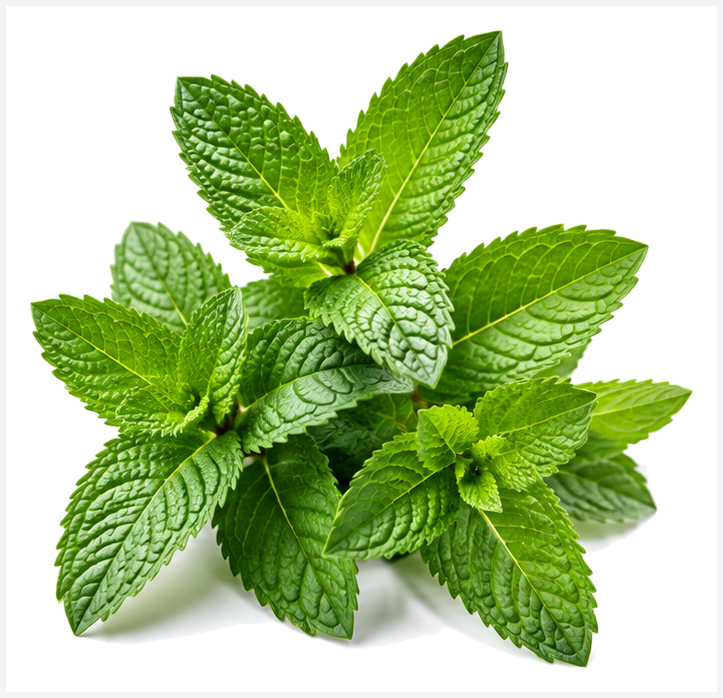
Spearmint (Mentha spicata) is a herbaceous perennial known for its fresh scent, cooling taste and vigorous spreading growth. It has moved through Roman kitchens, European herb gardens, Chinese households, tea traditions and commercial distillation for centuries. The leaves and young shoots were eaten fresh or dried, brewed in drinks and used in household preparations, while later growers harvested flowering plants for aromatic oil. Modern research has also examined spearmint tea, especially its effects on androgen levels in women with hirsutism.

Learn more →
Bay Laurel Through History: Uses, Tea, Edibility and Modern Findings

Bay Laurel Through History: Uses, Tea, Edibility and Modern Findings

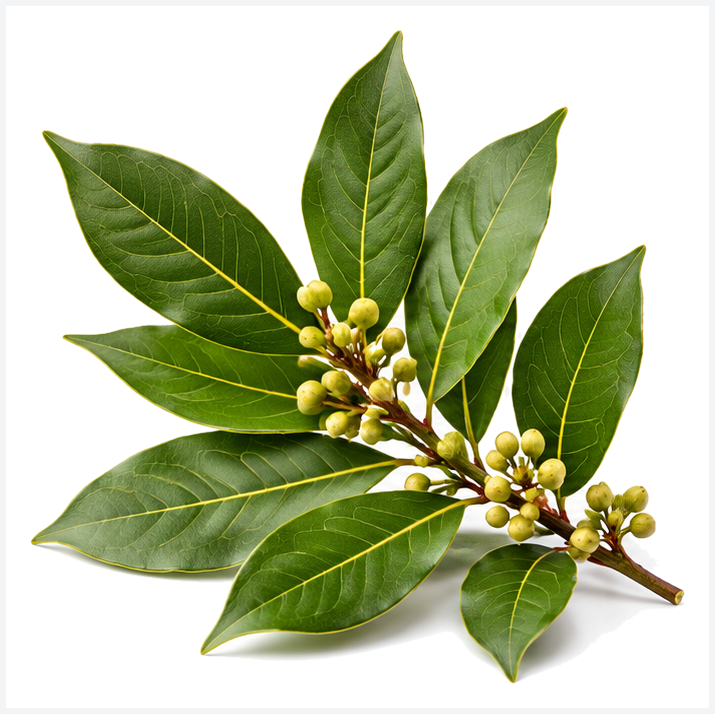
Bay laurel is an evergreen Mediterranean shrub or small tree whose aromatic leaves have moved between kitchen, household, ritual and traditional medicine for centuries. Its leaves season soups, stews and sauces, were woven into ancient wreaths, and were also prepared as infusions. Modern research has examined some traditional associations, including one small human study using ground bay leaf in people with type 2 diabetes.

Learn more →
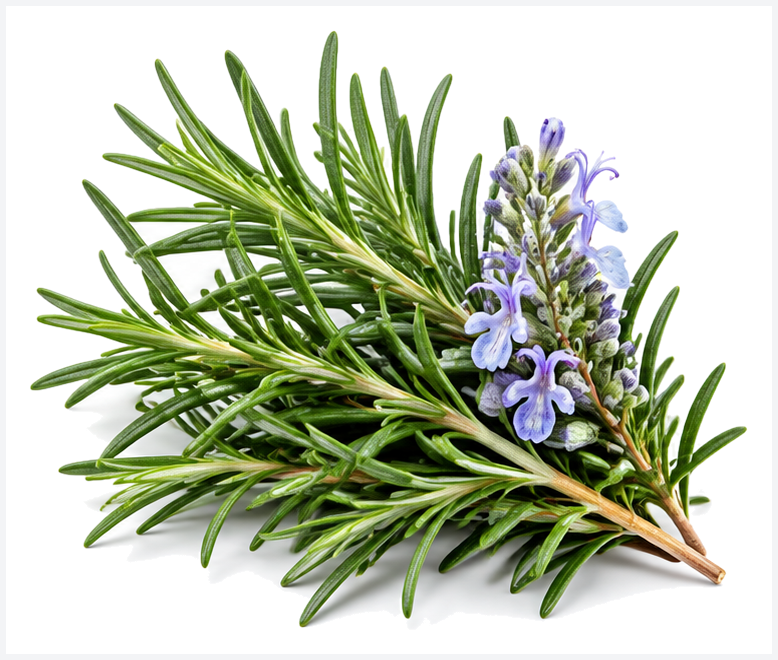
Rosemary Through History: Uses, Benefits, Memory and Hair Growth

Rosemary Through History: Uses, Benefits, Memory and Hair Growth

Rosemary is an evergreen Mediterranean shrub whose strong fragrance has linked kitchens, gardens, ceremonies, perfumes and household preparations for centuries. Ancient writers described its scented leaves and use in wreaths, while later European gardeners propagated it by cuttings, used sprigs at weddings and funerals, and distilled the flowering plant for aromatic preparations. Modern human studies have also examined rosemary in relation to memory and hair growth.

Learn more →