
Summary
A first small garden should begin with the space you actually have. Check sun, wind, drainage, access to water and, on a balcony, how excess water will be collected and what load the structure can carry. Use manageable containers or one small bed, choose suitable materials, and plant only species whose mature size and maintenance needs fit the site.
About this article
A small garden can be a balcony, patio, courtyard, narrow border or modest patch of open ground. The first decisions are practical: how much direct sun reaches the space, where water drains, how exposed it is to wind, how people move through it, and how much weight a balcony may safely support.
How do you start a small garden? Observe the site first, then choose one manageable bed or group of containers and match plants, materials and watering to its light, drainage and available space.

Read The Space Before You Design A Small Garden
Observe the garden at several times of day. A place that looks sunny at noon may be shaded by a wall or tree for much of the morning or afternoon. If vegetables are part of the plan, many common crops perform best with roughly six to eight hours of direct sun. Shadier places can still be planted, but plant choice should change with the light.
After rain, note where water disappears quickly and where it remains. On a balcony, locate drains before placing large containers and keep them accessible. Sketch doors, steps, taps, paths and seating. A small garden layout should preserve easy movement before beds, pots and furniture are added.
Check Drainage And Balcony Load Before You Build
Every container needs drainage holes, but excess water should not simply run over the balcony edge or onto the property below. Use saucers, trays, drainage mats or another controlled collection method that catches surplus water without leaving roots permanently standing in water.
Wet potting mix, stored water and large planters can become much heavier than they appear when dry. There is no single load figure that suits every balcony, so check the permitted structural load before installing several large containers, deep planters or a raised bed. Where capacity is uncertain, choose lighter containers and growing media and avoid concentrating the heaviest items in one place.
Choose Materials That Suit A Small Balcony Garden
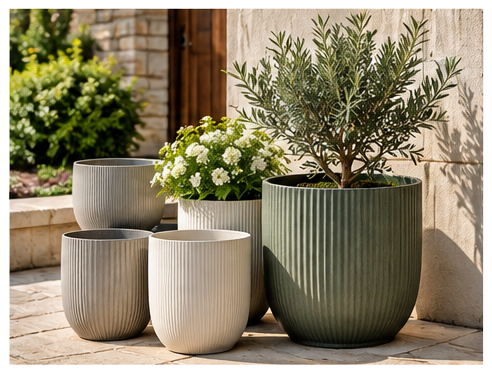
Lightweight plastic, resin, fibreglass and fabric grow bags are usually easier to manage than large terracotta, stone or concrete pots. Use containers with drainage holes and enough root volume for the mature plant. A lightweight container-growing mix is generally more suitable than dense garden soil because it drains better and avoids unnecessary weight.
For supports, use bamboo canes, light metal stakes, trellis or strong garden string. Drainage mats or removable outdoor tiles can help stabilise pots and guide water toward a drain, which must remain accessible.

Start With One Manageable Garden Project
Begin with a few containers, one border or one accessible bed rather than filling the whole space. This is enough to learn how quickly the growing medium dries, which areas receive the best light and how much time routine care takes.
What should you plant in a small garden? Choose plants whose mature size and growing conditions fit the available light, root space and climate, then add variety gradually instead of planting every empty space at once.
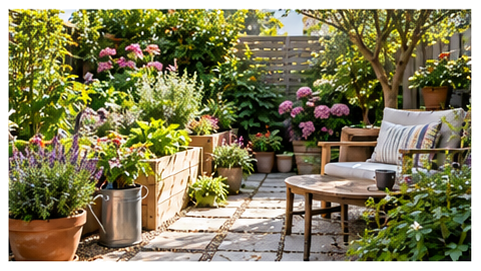
Useful container choices include rosemary, thyme, chives, parsley, salad leaves, radishes, strawberries and compact tomato or pepper cultivars. Compact pelargoniums, lavender, dwarf grasses and small evergreen shrubs can add structure. Avoid plants chosen only for their small nursery size if they later become large, heavy or strongly rooted; walnut trees, vigorous standard fruit trees and large palms are poor choices for most small balconies.
Prepare Soil, Containers And Root Space
In open ground, remove persistent weeds and work soil when it is moist enough to crumble, not wet enough to compact. For vegetables, a soil test can show whether amendments or fertiliser are needed.
In containers, leave a small gap below the rim so watering does not wash compost over the edge. Very small pots dry quickly and restrict roots, while larger plants eventually need more root volume and stronger support.
Build A Watering Routine You Can Keep
Check the soil or potting mix rather than watering by a fixed timetable. Newly planted plants need closer attention while roots establish, and containers can dry much faster than open soil, especially in warm or windy weather.
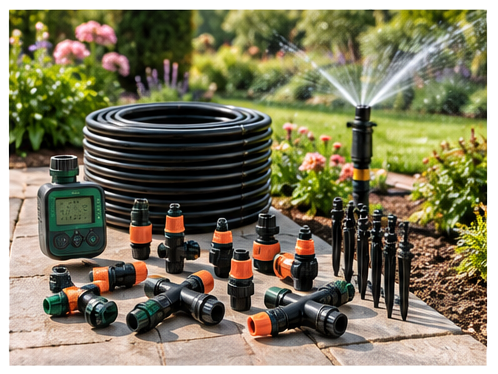
Water thoroughly enough to moisten the root zone and keep drainage holes open. A watering can may be enough for a few pots; lightweight hose systems or drip irrigation become useful when hand watering becomes impractical. Plan water supply and drainage together so excess water is controlled rather than spreading across the balcony.
Sources & further reading
- Royal Horticultural Society — Growing plants in containers
- Royal Horticultural Society — How to water containers
- Royal Horticultural Society — Garden watering methods
- Penn State Extension — Beginner Vegetable Gardening
- University of Minnesota Extension — Planting the vegetable garden