
Summary
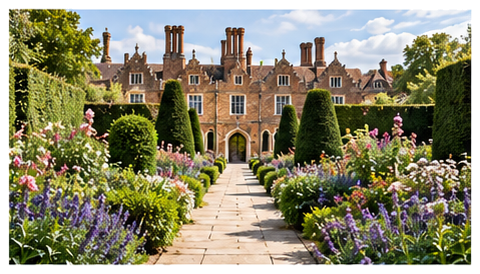
Look at garden rooms, trees and the changing balance between enclosure and open space.
Begin with the current official visitor map and choose a route that suits your available time. Leave room to pause instead of collecting every attraction.
Choose a manageable route
Begin with the current official visitor map and choose a route that suits your available time. Leave room to pause instead of collecting every attraction. Check accessibility and any closures before travelling; historic grounds can involve distances and surfaces that are not obvious from photographs.
Observe the garden rooms
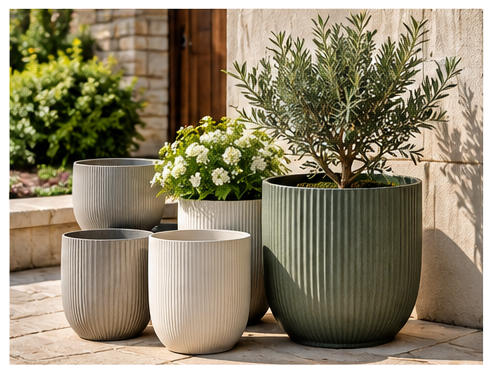
Notice where a boundary makes a space feel contained and where a view opens beyond it. At home, enclosure can come from a suitable hedge, a trellis or a group of containers. Preserve light and access rather than surrounding a small garden with barriers.
Study shapes and their upkeep
Look at the relationship between clipped forms, paths and open areas. A repeated shape can bring order, but maintaining it takes time. Choose plants suited to your climate and mature dimensions; do not buy a large specimen solely because it resembles something in a royal garden.

Plan practical details
Use Historic Royal Palaces for current entry arrangements, opening information and visitor guidance. Bring suitable footwear and check the weather. Follow site rules, remain on permitted routes and avoid touching or collecting plants. Record plant names only where labels or reliable information identify them.
Bring one lesson home
Sketch a simpler edge, a better-positioned seat or a small area of repeated planting. Try the arrangement with temporary markers first. The useful result of a visit is a clearer decision about your own space, not an obligation to reproduce a palace garden.