
Summary
Use Villa d’Este as a starting point for understanding how a garden responds to levels and movement.
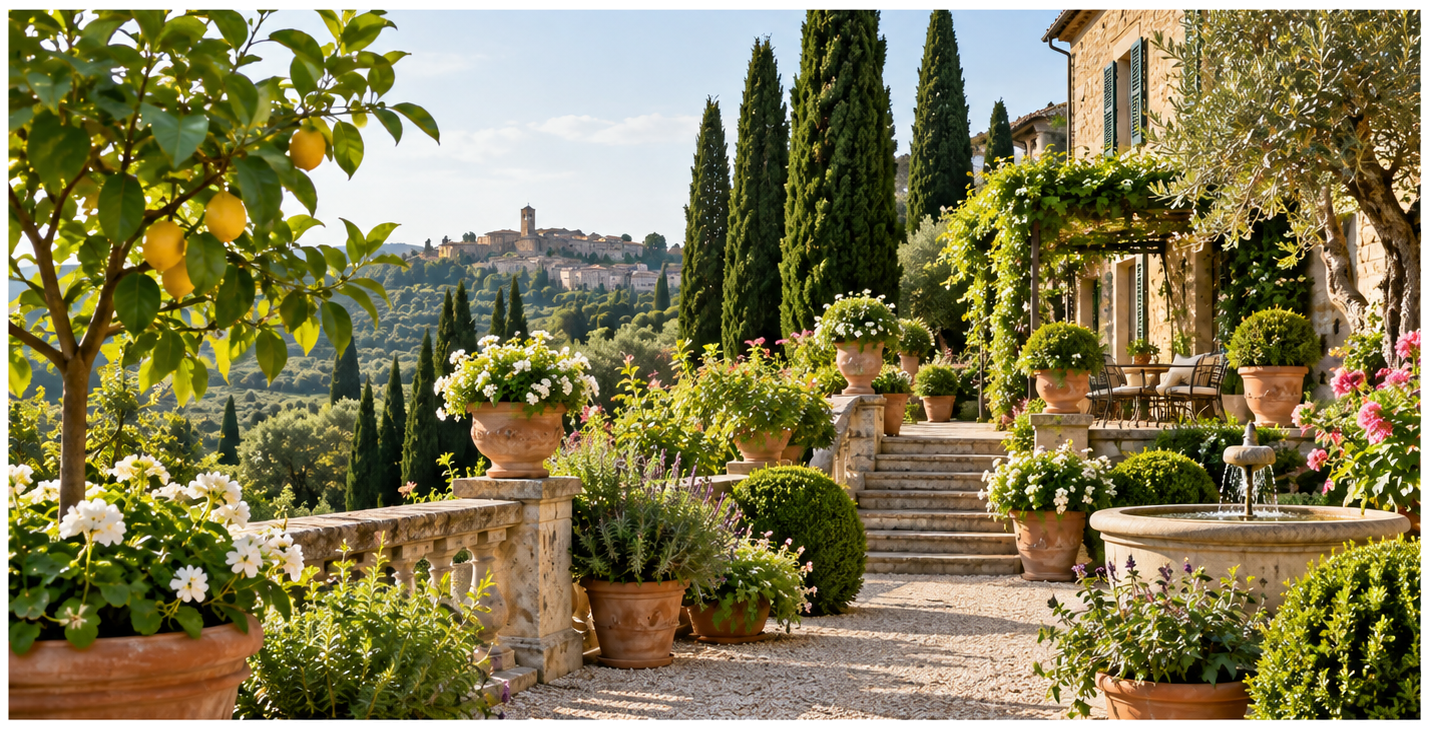
UNESCO identifies Villa d’Este in Tivoli as an important Renaissance garden. For a visitor, the relationship between buildings, garden levels and water offers a useful way to look.

Read the setting
UNESCO identifies Villa d’Este in Tivoli as an important Renaissance garden. For a visitor, the relationship between buildings, garden levels and water offers a useful way to look. Start with the whole setting before focusing on individual ornaments or fountains.
Notice the route
Pay attention to how changes of level alter the view and the pace of walking. In a home garden, a slope may require careful access rather than decorative steps. Retaining walls, drainage and substantial level changes need appropriate professional design; an inspirational photograph is not a construction plan.
Use water thoughtfully
Water can add movement or sound, but scale and maintenance matter. Consider a safe, manageable feature only after checking energy, water use and upkeep. A quiet planted area or a shaded seat may give you the sense of calm you wanted without installing a pump.

Prepare for the visit
Check the current official visitor information, entry arrangements and accessibility before travelling. Terraced historic gardens may include stairs and uneven surfaces; plan a route compatible with your mobility. Allow time for resting and carry what you need for the weather rather than rushing through the site.
Adapt the principles
At home, simplify a material palette, create comfortable shade or position a seat to enjoy the garden from a different level. Select plants for local conditions. The aim is a coherent outdoor space, not a generic imitation of every Italian garden you have seen.